Is there such thing as visual language?
I absolutely believe there I a visual language. I can vividly recall my first days as an LDS missionary in Portugal, not really speaking the language at all, and being able to find my way around. In fact, after just four days in the country, my trainer and zone leader thought it would be a good experience for another brand new missionary and I to do a day-long division together. Between the two of us, we could almost teach a lesson, but that didn’t stop us from making our way around and having some success. I remember how much I communicated visually that day, from people pointing and giving us signs for directions, to trying to explain the book I was holding was free.
Justin Reyes, a graphic designer who I interviewed as a guest expert of visual communication, said this about visual language:
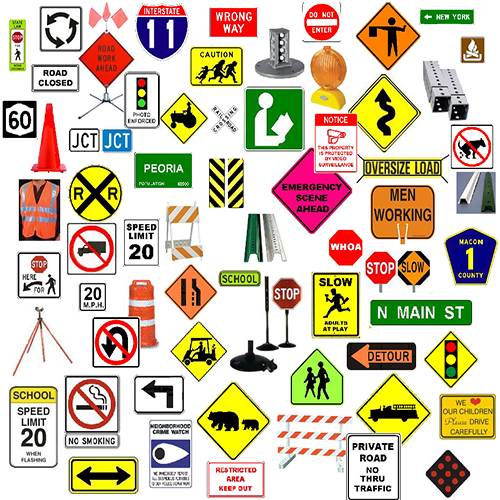
“When I hear visual language I think about typography. When I think about universal visual language I think about icons. Transportation signage is a great example. All airports and train/bus stations use a common visual language. Icons for planes, luggage, and bathrooms help all people find their way. Being on a trip right now (in western Europe) I can relate to this. I was able to navigate the airport and metro without knowing more than three words in French.”
I agree with Justin. Things like icons and signs all assist with the visual communication process. They are almost universally accepted and allow you to understand the world around you, even in the absence of a commonly spoken language.
Can visual language be taught and learned?
Yes, visual language can be taught and learned. The best example of this is the very process of learning that I went through this semester. I have never taken any type of visual or art class. The closest thing I have done in this realm is learning how to utilize the Adobe Creative Suit. That being said, I feel that our classroom discussions and reading assignments has directly led to me gaining an understanding of visual communication.
Another guest expert that I interviewed, Joey DeGraaf, told me that he thinks of visual language as a skill that can be developed. This made a lot of sense to me because I do speak another language and this was a skill that I painstakingly developed over the course of two years. With enough dedication and practice, I believe it is possible to arrive at a high level of fluency as a visual communicator.
Can visual language be universally understood?
Can visual language be universally understood? Yes, I believe it can. My earlier example as an LDS missionary is a prime example of visual language working across language barriers to allow me to navigate a foreign land.
Is visual language universally understood? To this question, I’d have to say no. There are parts of the world that even the most widely-accepted signs, like a STOP sign or Men’s/Women’s bathroom sign would not be recognized. Furthermore, I think those who study and pay the most attention to visuals are able to communicate at a higher level than those who don’t. While I feel fairly confident understand interpersonal communication visual cues, there is no way I could go into an art gallery and tell you which paintings and sculptures were good and which ones were not. With enough studying and practice, yes, I could learn to critique fine art. But at this moment, I am totally unfit for this task.
 Hayden Coombs